
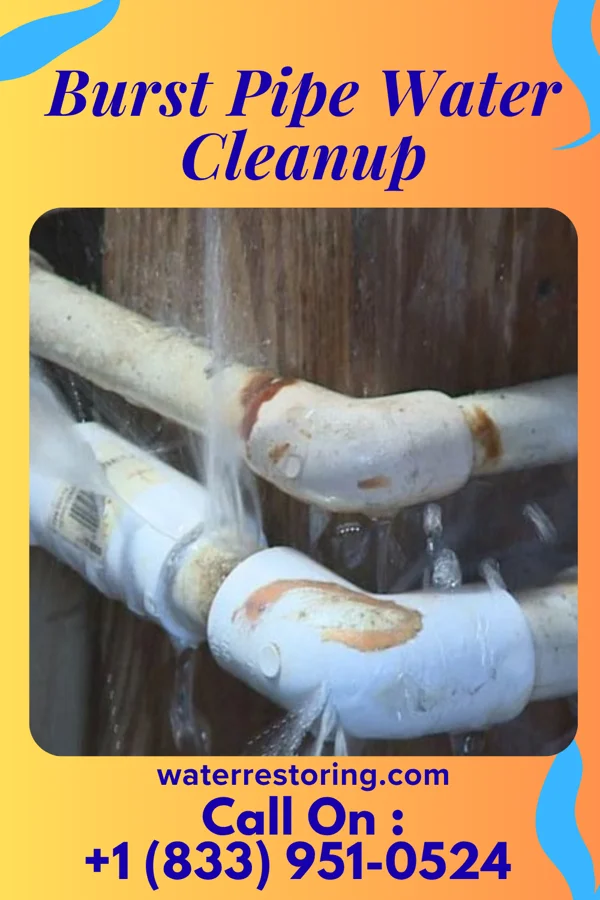
Burst Pipes Across Rochester Institute of Technology Neighborhoods
Every neighborhood in Rochester Institute of Technology has a different water damage risk profile. The one that shows up on most restoration calls is Rochester Institute of Technology, located in Monroe, NY, experiences a higher risk of pipe bursts due to its aging infrastructure and the presence of older buildings on campus. The campus's complex network of underground pipes, combined with the fluctuating temperatures typical of the region, increases the likelihood of unexpected water damage.. A close second is The proximity to industrial areas like North Gates and Scottsville, NY, means that water pressure fluctuations and chemical runoff can impact the campus's plumbing systems. Additionally, the high population density in Monroe contributes to increased water usage and potential overloads on the local water distribution network..
The climate in Monroe, NY, where Rochester Institute of Technology is located, is characterized by cold winters and humid summers, both of which contribute to pipe-related risks. The combination of freezing temperatures and high humidity creates an environment where water damage can occur unexpectedly and rapidly.
Water damage in Rochester Institute of Technology follows a few local patterns. Rochester Institute of Technology, located in Monroe, NY, experiences a higher risk of pipe bursts due to its aging infrastructure and the presence of older buildings on campus. The campus's complex network of underground pipes, combined with the fluctuating temperatures typical of the region, increases the likelihood of unexpected water damage. accounts for the bulk of our calls. The climate in Monroe, NY, where Rochester Institute of Technology is located, is characterized by cold winters and humid summers, both of which contribute to pipe-related risks. The combination of freezing temperatures and high humidity creates an environment where water damage can occur unexpectedly and rapidly. The humid climate in Monroe, NY, combined with the potential for prolonged water exposure, increases the risk of mold growth within 48 hours. Proper moisture control and drying are critical to prevent long-term health and structural issues.
For public guidance on the health effects of mold after prolonged water exposure, see the EPA mold and health page.